
Why Qualified and Licensed Coaches Matter in Athletics
12 February 2026
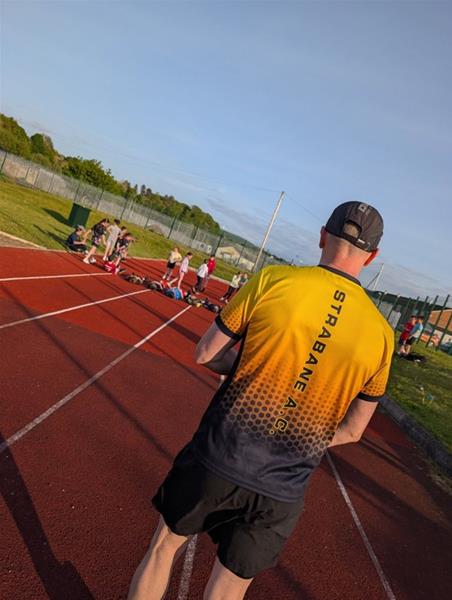
Athletics has always been powered by passionate people who give their time, energy and experience to help others enjoy sport. From grassroots sessions to performance environments, coaches play a vital role in shaping not only athletes’ results, but also their confidence, wellbeing and long-term relationship with athletics.
One of the ways the sport continues to build safe, supportive and effective environments is by encouraging athletes, parents and clubs to work with suitably qualified and licensed coaches. This approach is not about questioning the dedication or knowledge of individuals without formal qualifications. Instead, it recognises the additional layers of protection, learning and accountability that qualifications and licensing provide.
Safeguarding and Vetting
Qualified and licensed coaches complete safeguarding training and appropriate vetting processes, such as AccessNI checks. These measures help ensure coaches understand how to create safe environments, recognise potential risks and respond appropriately to concerns.
Safeguarding training also supports coaches in building positive relationships with athletes, ensuring sessions are inclusive, respectful and athlete-centred. While no system can eliminate risk entirely, these processes provide an important foundation for safer sport.
Assessed Coaching Skills
Formal coaching qualifications involve assessment of planning, delivery and athlete support. Coaches develop skills in structuring sessions, managing groups safely and adapting training to suit different ages, abilities and goals.
This helps create sessions that are purposeful, progressive and enjoyable. Athletes benefit from structured development, while coaches gain confidence in their decision-making and delivery.
Understanding the Coaching Pathway
Athletics has a recognised coaching pathway that supports coaches in developing their knowledge, experience and responsibilities over time. Each role plays an important part in supporting athletes at different stages.
Coaching Assistant
Coaching Assistants support qualified coaches during training sessions and competitions. This role provides an introduction to coaching, helping individuals develop their understanding of safe session delivery and athlete support while working under supervision. It often acts as a stepping stone into further coaching qualifications.
Athletics Coach
Athletics Coaches are qualified to plan, deliver and evaluate training sessions across specific event groups. They develop knowledge of technical skills, session structure and athlete development, supporting participants across both participation and development levels.
Leader in Running Fitness (LiRF)
LiRF leaders are trained to safely deliver running sessions to groups, supporting participation, enjoyment and general fitness. Sessions and training plans are designed or overseen by an appropriately qualified coach, helping ensure programmes are safe, progressive and structured.
Coach in Running Fitness (CiRF)
CiRF coaches build on this with additional training in planning, structuring and progressing training programmes. They support runners working towards specific goals, including performance improvements, race preparation and longer-term training plans.
Together, these roles create a clear and supportive coaching structure, ensuring athletes are guided by individuals with the appropriate training, experience and scope of practice.
Insurance and Accountability
Licensed coaches are typically covered by recognised insurance as part of their registration. This protects coaches, athletes and clubs by ensuring there is support in place if something unexpected occurs.
It also means coaches are working within recognised standards and codes of conduct, helping maintain trust across the sport.
Understanding Athlete Development
Qualified coaches are trained in long-term athlete development principles. This includes understanding how athletes grow physically, mentally and emotionally, and how training should adapt over time.
This approach helps athletes reach their potential while reducing the risk of burnout, overtraining or injury, ensuring sport remains enjoyable and sustainable throughout their journey.
Checking Coach Qualifications
A public resource is available that allows athletes, parents and clubs to check coaching qualifications and licensing status:
The platform provides reassurance and transparency by confirming that coaches hold valid and up-to-date qualifications and licences.
Recognising Experience and Passion
Many knowledgeable and committed individuals contribute hugely to athletics without holding formal qualifications. Experience, enthusiasm and community spirit remain incredibly valuable.
Qualifications and licensing simply add additional structure, support and accountability, complementing experience rather than replacing it.
Building a Safer, Stronger Sport
Encouraging the use of qualified and licensed coaches helps strengthen athletics for everyone involved. It provides reassurance to athletes and parents, supports coaches in their development and contributes to safer, more consistent environments across the sport.
While no system can guarantee that harm will never occur, promoting education, safeguarding and recognised standards helps make athletics as safe, positive and rewarding as possible.
Athletics thrives when athletes feel supported, coaches feel equipped and communities feel confident in the environments they create. Supporting coach education and licensing is one of the ways the sport continues to move forward.